Fully recycled and recyclable product. Circular economy
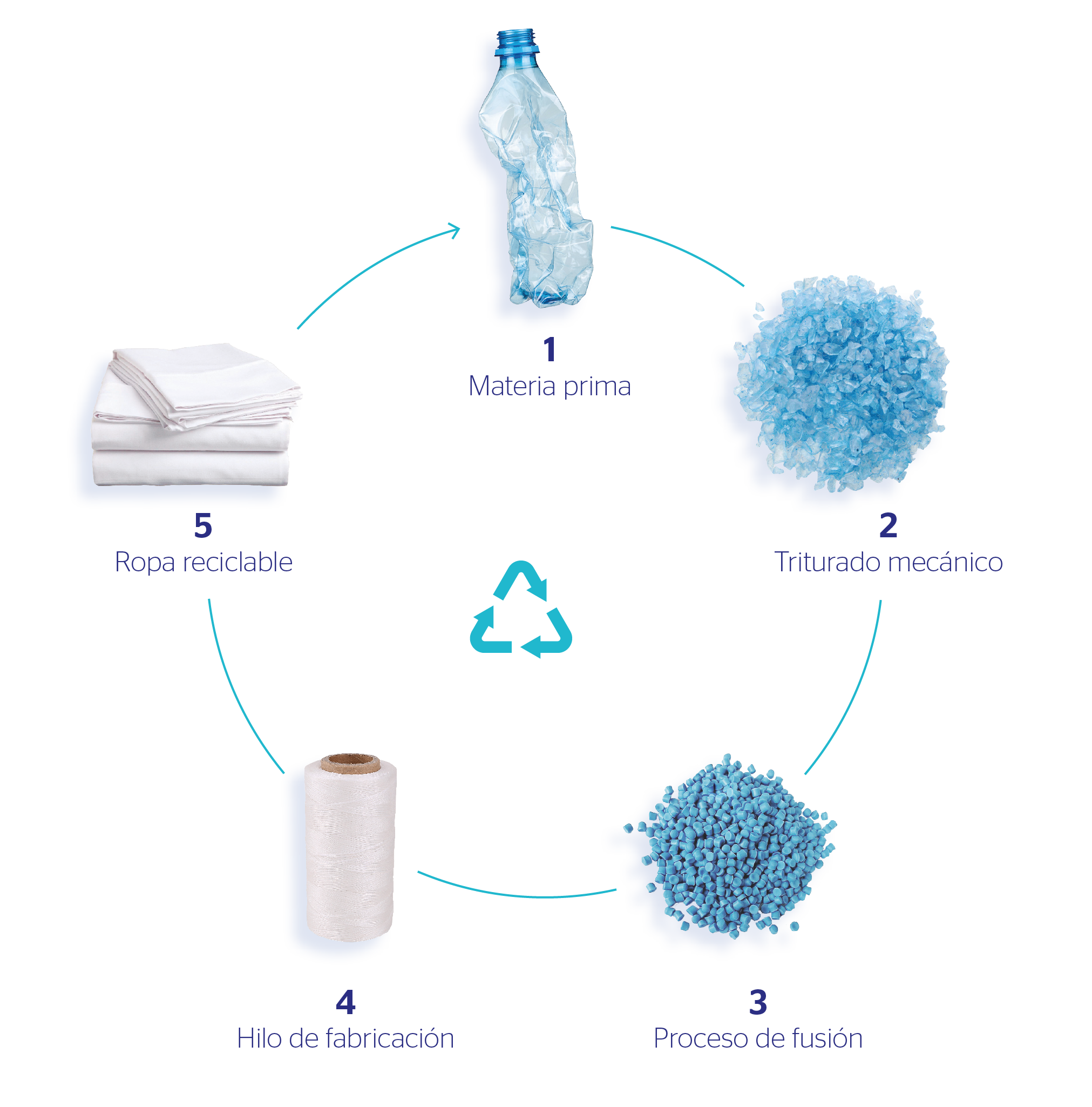
We know that the best waste is no waste at all, and in a clear example of the circular economy, once Filsan® fabrics have reached the end of their useful life, they are recycled to become the raw material for the next garment. The useful life of our microfibre clothing is up to 5 times longer than that of traditional clothing, representing significant savings for our customers and for the world.
Certified products
We have the following certificates that guarantee the highest standards of quality and safety, as well as endorsing our commitment to sustainability and excellence.

100% recycled and recyclable. Complies with recycling standards that ensure proper processing of materials.
Fabric free of substances harmful to both the environment and people.
We adapt to your needs
At Filsan®, we adapt to the specific needs of each customer. We offer the possibility of customising our fabrics in various ways, from patterns to colours, including embroidery or printing, depending on the type of garment. We guarantee a flexible solution that maintains our high standards of quality and sustainability, without compromising creativity and design.
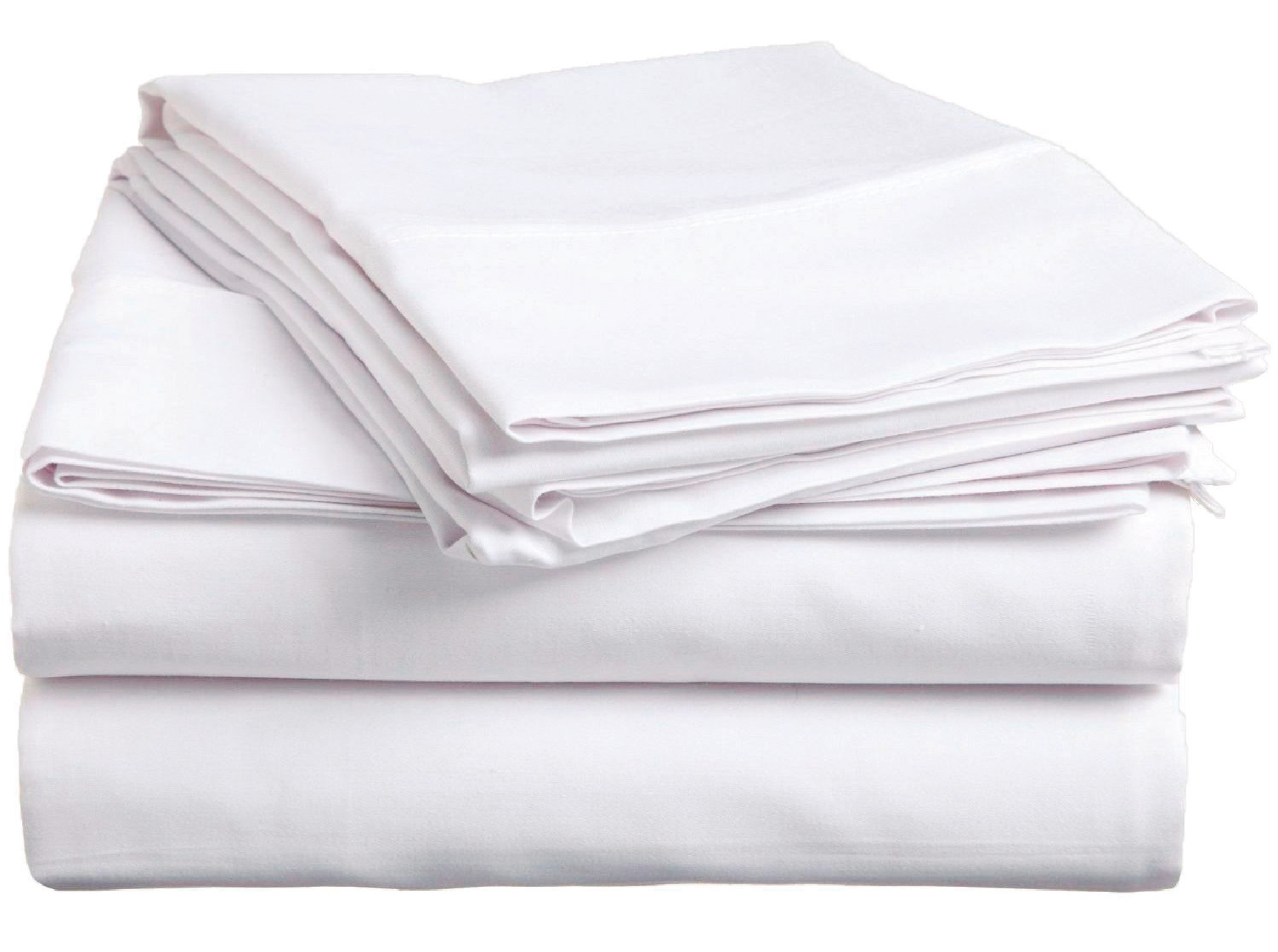
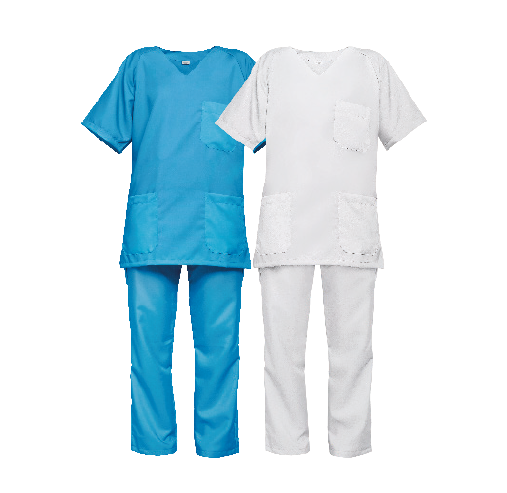
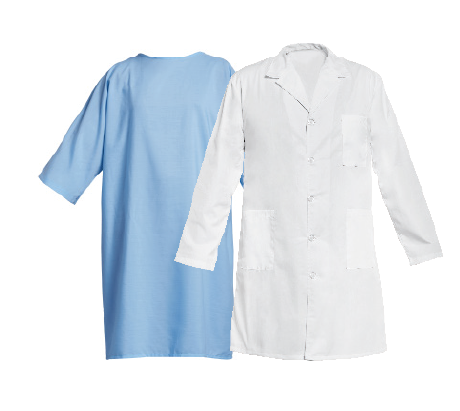
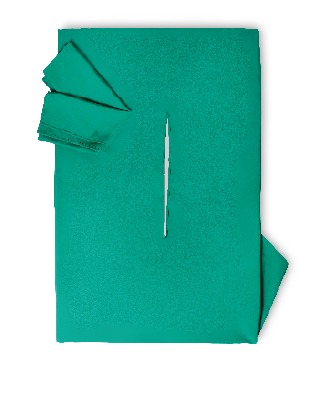
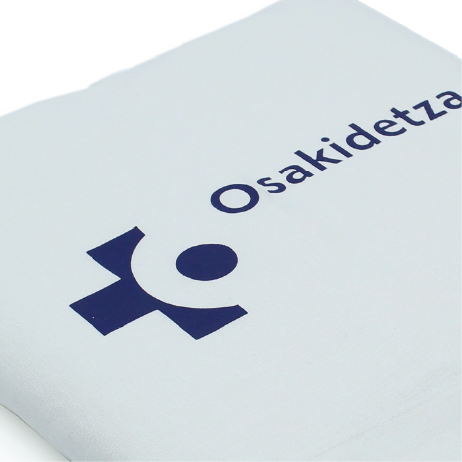
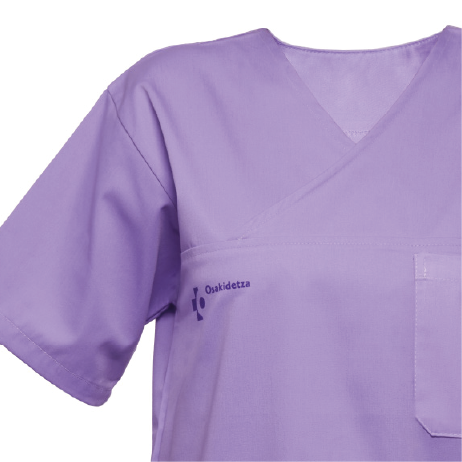
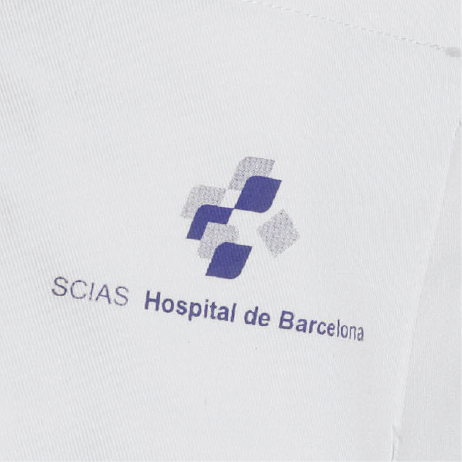

Tell us what you need, with Filsan® anything is possible!
Benefits of Filsan® hospital clothing vs traditional cotton clothing
Sustainability
Creation of new raw material

Most cotton clothing is created from new raw material. Cotton cultivation uses a quarter of all insecticides and herbicides worldwide1.
Using waste as a primary resource

Filsan® clothing is made from recycled plastic bottles that would otherwise end up in landfills or the ocean.
Very high water footprint

of drinking water are needed to manufacture a cotton T-shirt2.
The equivalent of one person's water consumption in 2.5 years
Significant reduction in water footprint

of drinking water to manufacture a Filsan® T-shirt. We actively contribute to reducing water waste and caring for one of the planet's most valuable resources.
High CO₂ emissions

China and Bangladesh are the main exporters of cotton to Europe3, countries that are also 13,103 km away by sea.
Local product

Filsan® production has a significantly lower carbon footprint. As it is a local product (km 0), transport-related emissions are drastically reduced.
Washing inefficiency

Traditional cotton clothing requires high-temperature washing, more detergent and subsequent ironing. Due to the higher weight of the items, the quantity of items in the laundry load is lower.
Washing efficiency

Filsan® clothing is more resistant than traditional clothing and, thanks to its composition, allows more items to be washed per load at a lower temperature and with less detergent, without requiring ironing. This translates into significant savings in time and energy.
Generates textile waste

89% of textile waste is incinerated or ends up in landfills4. In the region of Catalonia alone, cotton clothing accounts for the majority of textile waste, representing 4.11% of total waste5.
Circular economy: zero waste

Filsan® is a clear example of the circular economy. Once a garment reaches the end of its useful life, it is shredded and used as raw material for the next piece.
Referencias:
1. Living waters. Conserving the source of life - WWF
2. What if fashion were good for the planet? - European Parliament
3. Environmental impact of the textile and clothing industry - European Parliament Research Service
4. Textile waste guide - Catalonia Waste Agency
5. Textile waste guide - Catalonia Waste Agency
Reducing costs and CO₂ emissions NOW IT'S POSSIBLE
Estimate for a 400-bed hospital with 600 employees1
UNIFORMITY
BED LINEN
Total savings2
Referencias:
1. Average price of garments and laundry costs in April 2024.
2. To perform the calculations, a total of 138,600 uniform washes and 116,800 bed linen washes were estimated.
3. Results based on the report "Carbon Footprint of Linen and Pyjamas" produced by Tandem HSE in 2024.
4. Results based on the report "Carbon Footprint of Lingerie and Pyjamas" produced by Tandem HSE in 2024.
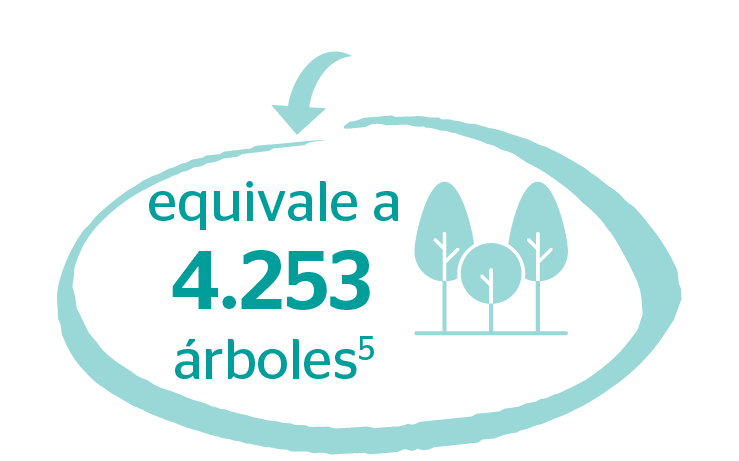
5. Adult Pinus pinaster tree from the Galicia region.